Type of
Pain
Discover Advanced Pain Care Clinic, where specialised pain management and advanced treatment approaches come together with a patient-focused approach to care.
What Is Pain?
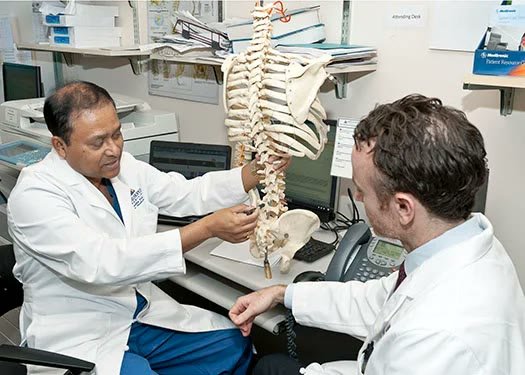
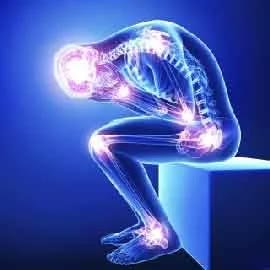
Pain is a viscous enemy of a normal human life. Every person has experienced some kind of physiological pain, minor or severe, at WHO has recognised this pain, very aptly, as a kind of disease.
Pain is an uncomfortable feeling that tells you something may be wrong. It can be steady, throbbing, stabbing, aching, pinching, or described in many other ways. Sometimes, it's just a nuisance, like a mild headache. Other times it can be debilitating.
Pain can bring about other physical symptoms, like nausea, dizziness, weakness or drowsiness. It can cause emotional effects like anger, depression, mood swing or irritability.
Perhaps most significantly, it can change your lifestyle and impact your job, relationships and independence. Pain is classified as either acute or chronic. Acute pain is usually severe and short-lived, and is often a signal that your body has been injured.
Chronic pain can range from mild to severe, is present for long periods of time, and is often the result of a disease that may require ongoing treatment. Pain affects other organs of the body as well, affecting regular routine of life as well a psychological and social aspects of it.
Understanding Different Types of Pain
Explore common pain conditions managed at Advanced Pain Care Clinic.
Spinal Pain
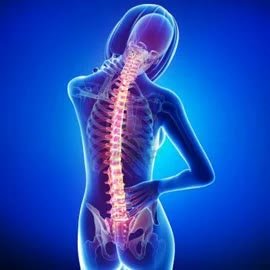
Pain originating from the spine and surrounding structures. It may be experienced as aching, stabbing, throbbing or other forms of discomfort.
Back Pain
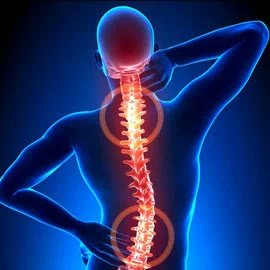
Lower back pain may involve the spine, muscles, nerves or nearby structures and can include aching, burning, tingling or sharp pain.
Neck Pain
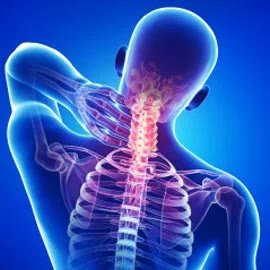
Neck pain can involve muscles, nerves, vertebrae and discs. Stiffness, restricted movement, numbness or tingling may occur.
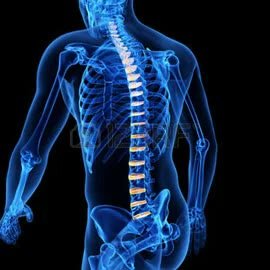
Intervertebral Discs
Intervertebral discs act as cushions between the vertebrae and help absorb shock while allowing movement of the spine.
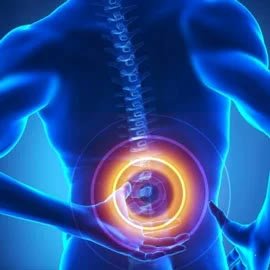
Slipped Disc or Disc Prolapse
A ruptured or prolapsed disc can affect nearby nerves and may cause pain, burning, numbness, tingling or weakness.
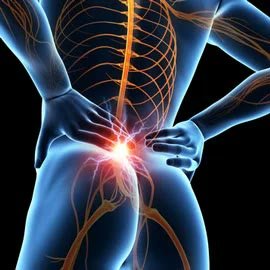
Facet Joint
Facet joints connect the vertebrae and help support movement of the spine. These joints are located at the back of the spinal column.
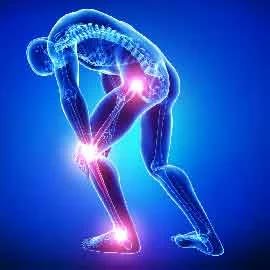
Knee Pain
Knee pain can involve different structures of the knee including joints, cartilage, ligaments and surrounding tissues.
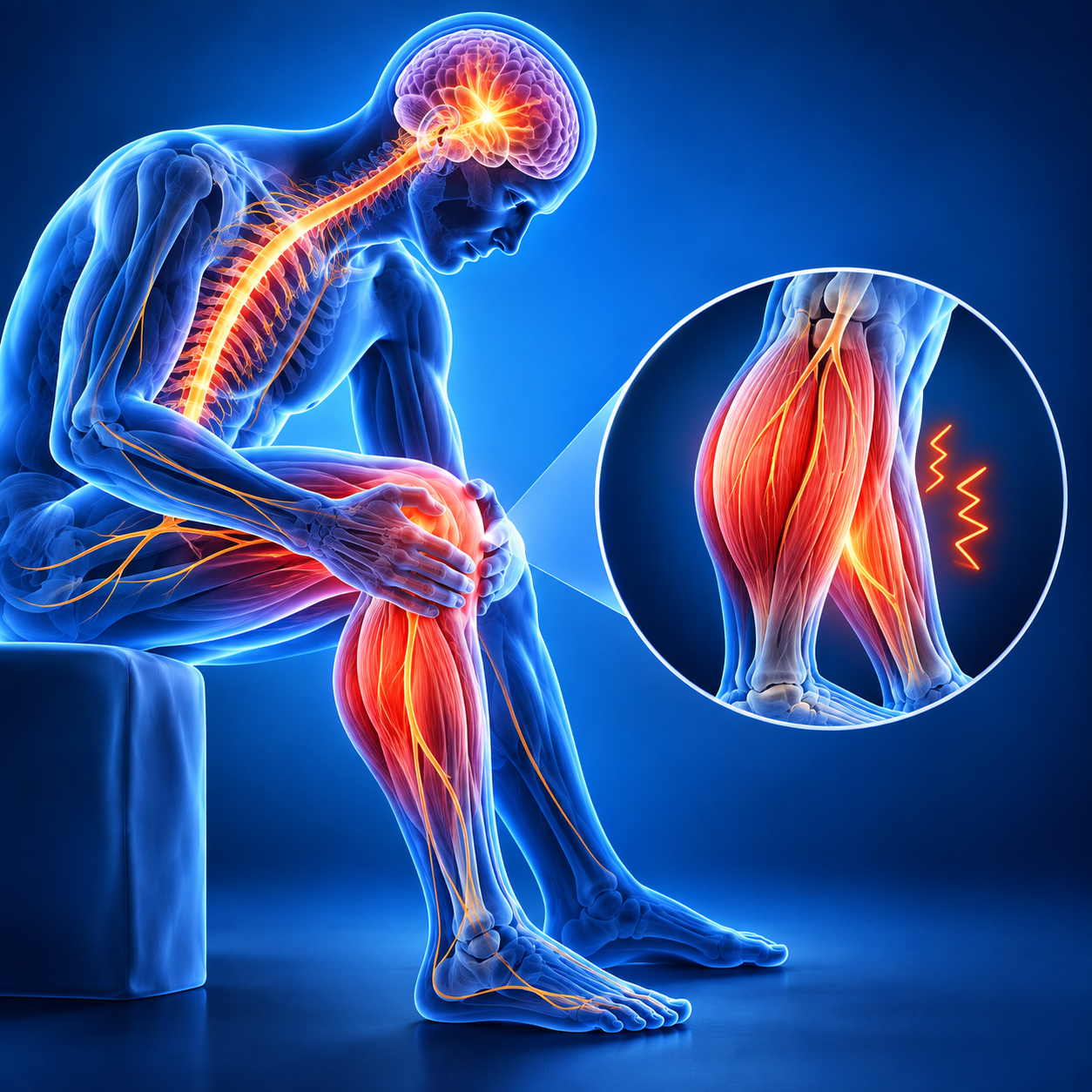
Spasticity
Spasticity is associated with conditions or injuries affecting the brain and spinal cord and may cause muscle stiffness and joint restriction.
Migraine & Headache
Headaches may have different causes. Migraines are commonly described as pulsating headaches and symptoms can vary between individuals.
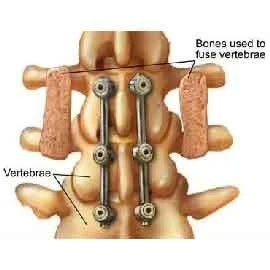
Post Surgical Pain
Pain following spinal surgery can be associated with postoperative changes and may require appropriate pain management.
Cancer Pain
Pain management techniques may be used to help provide relief for patients experiencing pain associated with cancer.
Pain in Diabetes
Diabetes-related nerve damage can cause pain, tingling and numbness, particularly in the legs, feet, hands or arms.

Frozen Shoulder
Frozen shoulder, also called adhesive capsulitis, is associated with stiffness and pain in the shoulder and restricted movement.

Pain in Vascular Insufficiency
Vascular conditions affecting blood flow can be associated with pain and other symptoms, particularly in the legs.

Trigeminal Neuralgia
Trigeminal neuralgia is characterized by severe, sudden, electric-shock-like or stabbing facial pain affecting the trigeminal nerve.
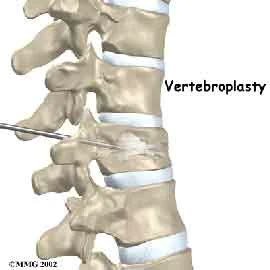
Vertebroplasty & Kyphoplasty
These procedures are discussed by the clinic for pain associated with vertebral compression fractures and related conditions.