Spinal Endoscopy
Explore minimally invasive spinal endoscopy in Surat for selected spine and pain conditions. Consult Advanced Pain Care Clinic for personalized treatment guidance.
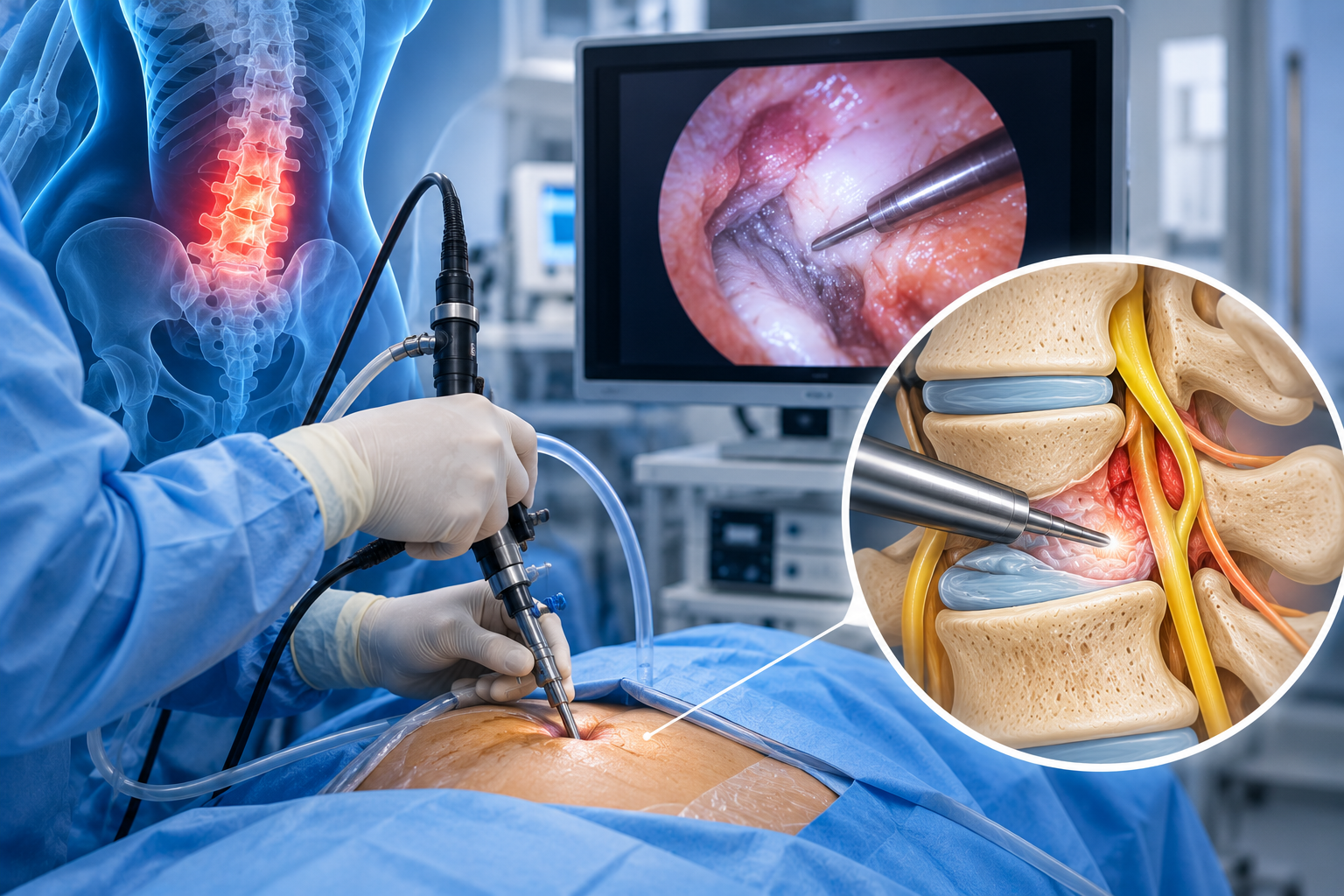
What Is Endoscopy?
Endoscopy is a minimally invasive procedure in which a doctor uses a flexible tube called an endoscope. A small camera at the tip sends images to a monitor, allowing the doctor to examine the lining of the digestive tract.
Upper gastrointestinal endoscopy, also called an upper endoscopy or EGD, can be used to examine the esophagus, stomach and the first part of the small intestine called the duodenum.
How Does Endoscopy Work?
The procedure is performed by a trained medical team with appropriate monitoring and preparation.
Preparation
Your doctor will provide instructions about fasting, medicines and any other preparation required before the procedure.
Comfort & Sedation
Depending on the procedure, medicines may be used to help you relax and remain comfortable.
Endoscope Insertion
The flexible endoscope is carefully guided through the digestive tract while the doctor views images on a monitor.
Examination
The specialist examines the lining and may take tissue samples or perform appropriate treatment when indicated.
Common Reasons for Endoscopy
Your doctor may recommend endoscopy when symptoms or clinical findings need a closer examination.
Persistent Heartburn
Evaluation of ongoing heartburn or reflux-related symptoms when further assessment is needed.
Difficulty Swallowing
Investigation of swallowing difficulties or discomfort while swallowing.
Abdominal Symptoms
Assessment of selected persistent upper abdominal pain, nausea or vomiting.
Digestive Bleeding
Evaluation of suspected bleeding in the upper digestive tract.
Unexplained Weight Loss
Further investigation when unexplained weight loss occurs with digestive symptoms.
Abnormal Findings
Further examination of abnormalities identified through other tests or clinical assessment.
What Can Endoscopy Help With?
Depending on the patient's condition, endoscopy can provide both diagnostic information and access for selected procedures.
Detailed Visual Assessment
Allows direct examination of the lining of the upper digestive tract.
Tissue Sampling
Small tissue samples can be collected for laboratory examination when required.
Targeted Treatment
Certain treatments, such as controlling bleeding or removing selected growths, may be performed through the endoscope.
Better Clinical Planning
Findings can help your doctor decide what further treatment or investigation may be appropriate.
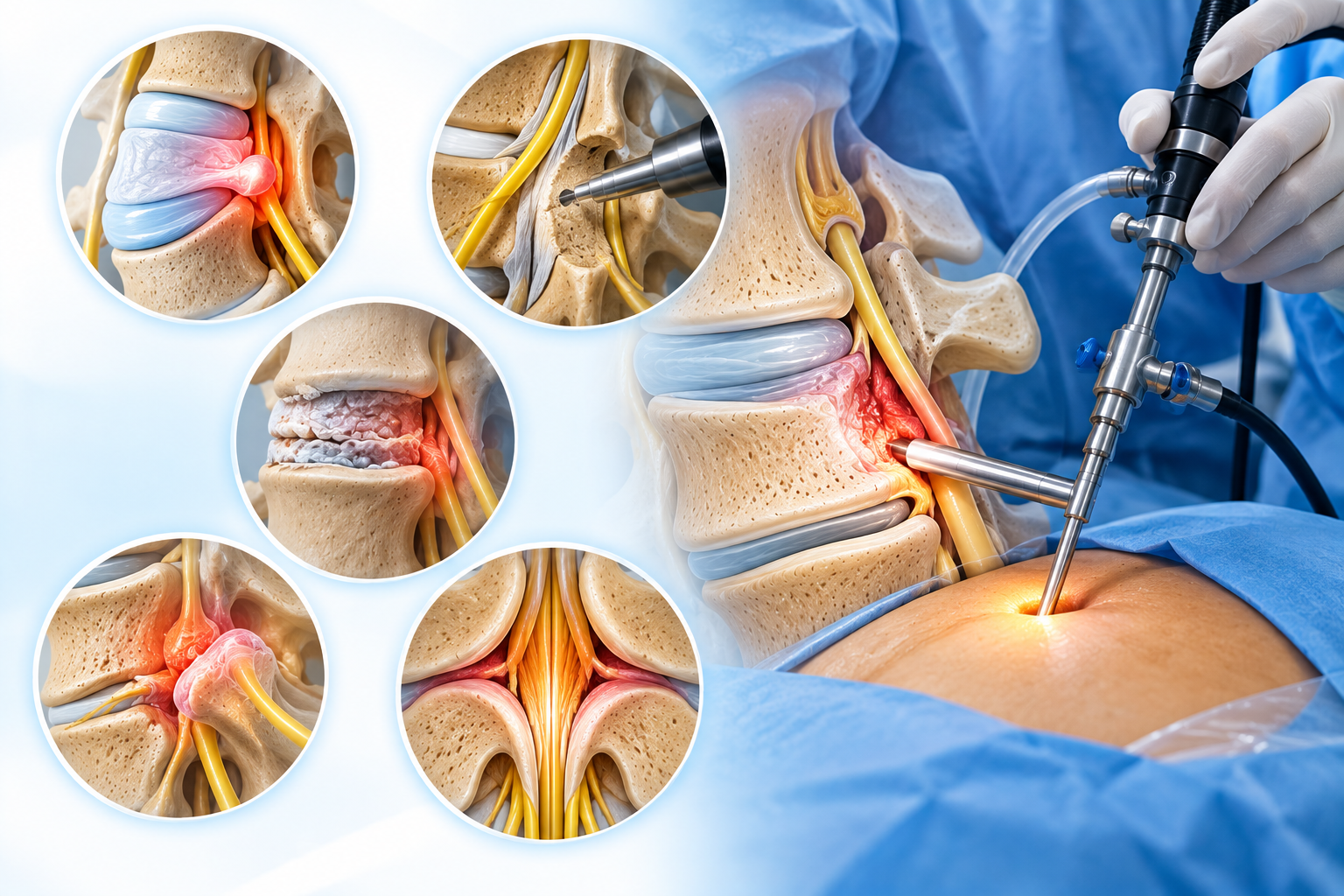
Medical Care
Endoscopy Preparation
Your exact instructions will depend on the type of endoscopy, your medical history and any planned procedure.
Fasting
You may be asked not to eat or drink for a specified period before an upper endoscopy so the digestive tract can be examined clearly.
Discuss Medicines
Tell your doctor about prescription medicines, blood thinners, supplements and any medical conditions before the procedure.
Plan Your Journey Home
If sedation is used, arrange for someone to take you home and follow the recovery instructions provided by your care team.
What Should You Know?
Upper endoscopy is generally considered a low-risk procedure, but complications can occur. Possible risks include bleeding, infection, perforation and reactions to sedation. Your doctor will explain the risks relevant to your procedure and medical condition.
After the procedure, some people may experience temporary bloating, nausea or a sore throat. Follow your doctor's instructions and seek medical attention for concerning symptoms such as worsening chest or abdominal pain, breathing difficulty, fever, significant bleeding or black stools.