What is radiofrequency ablation (RFA)?
RFA uses controlled radiofrequency energy near a selected nerve to change pain signalling. A specialist determines whether it is appropriate after assessment.
Learn about radiofrequency ablation in Surat, including when a specialist may consider RFA and what to discuss during an assessment.
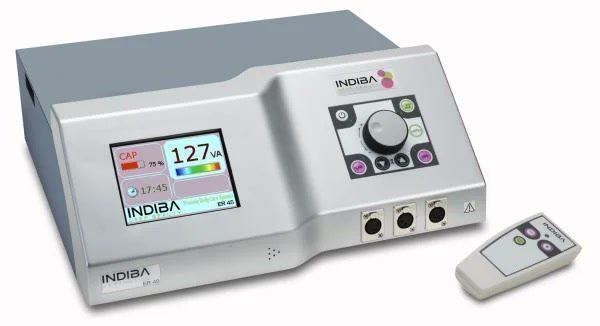
Radiofrequency ablation (RFA) uses controlled radiofrequency energy near a selected nerve to change pain signalling. It may be considered for certain chronic pain conditions when a specialist determines that the likely benefits outweigh the risks.
RFA does not suit every person or every source of pain. The degree and duration of relief vary, and symptoms may return. A clinical assessment helps determine whether the procedure or another option is more appropriate.
When RFA is planned, a clinician uses imaging and other checks as appropriate to guide the needle toward the intended treatment area. The specific technique depends on the target and the patient's circumstances.
Ask your specialist about preparation, possible side effects, alternatives, aftercare and what to expect in your individual case.
The procedure is planned for a selected nerve or target. The clinician explains how the target is chosen and what limitations apply.
Recovery and return to daily activities depend on the procedure and individual health. Your care team will provide guidance for your situation.
Some people experience a reduction in pain, while others may have limited or temporary benefit. Results cannot be guaranteed.
Like other procedures, RFA has potential risks. Your specialist can explain the risks and how they relate to your health and treatment target.
If symptoms return, a clinician should reassess the cause and discuss whether repeating RFA or another approach is appropriate.
RFA aims to reduce pain for selected conditions; it does not necessarily correct an underlying structural problem or eliminate pain. It should be considered as part of a broader care plan.
Your specialist will review relevant symptoms and previous treatment and may recommend diagnostic steps before deciding whether RFA is appropriate. The expected benefit, uncertainty, risks and alternatives should be discussed before consent.
Suitability depends on the individual pain pattern and clinical findings. No outcome is guaranteed, and additional or different care may be needed.
RFA uses controlled radiofrequency energy near a selected nerve to change pain signalling. A specialist determines whether it is appropriate after assessment.
No. RFA is considered only for selected pain conditions after clinical assessment. Benefits, risks and alternatives should be discussed with the treating specialist.
The duration and degree of relief vary between people and conditions. Your specialist can explain what may be expected in your individual case.
Speak with our specialist team about your condition and available treatment options.